
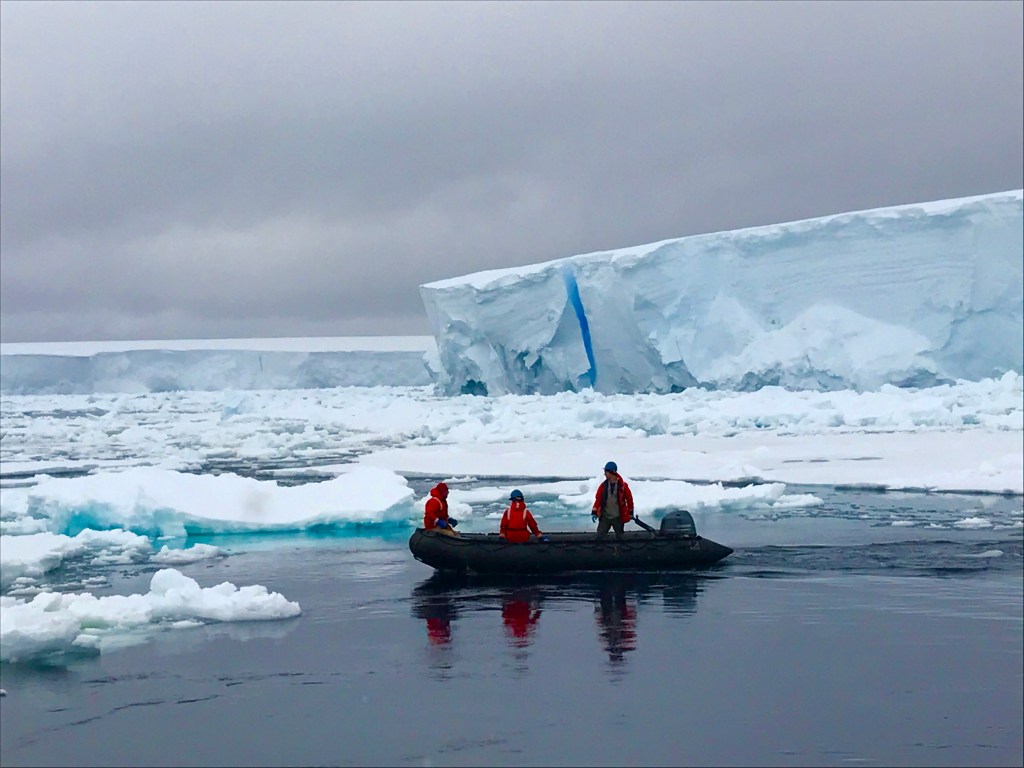
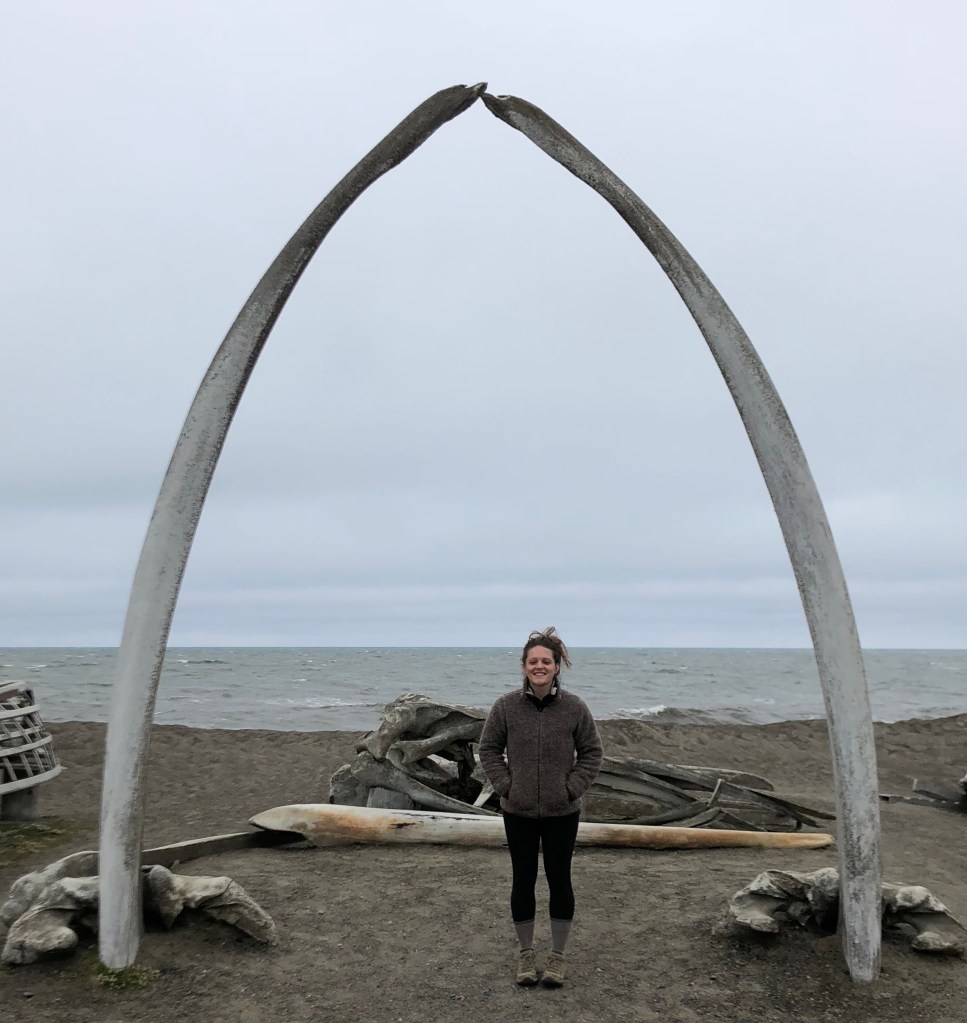
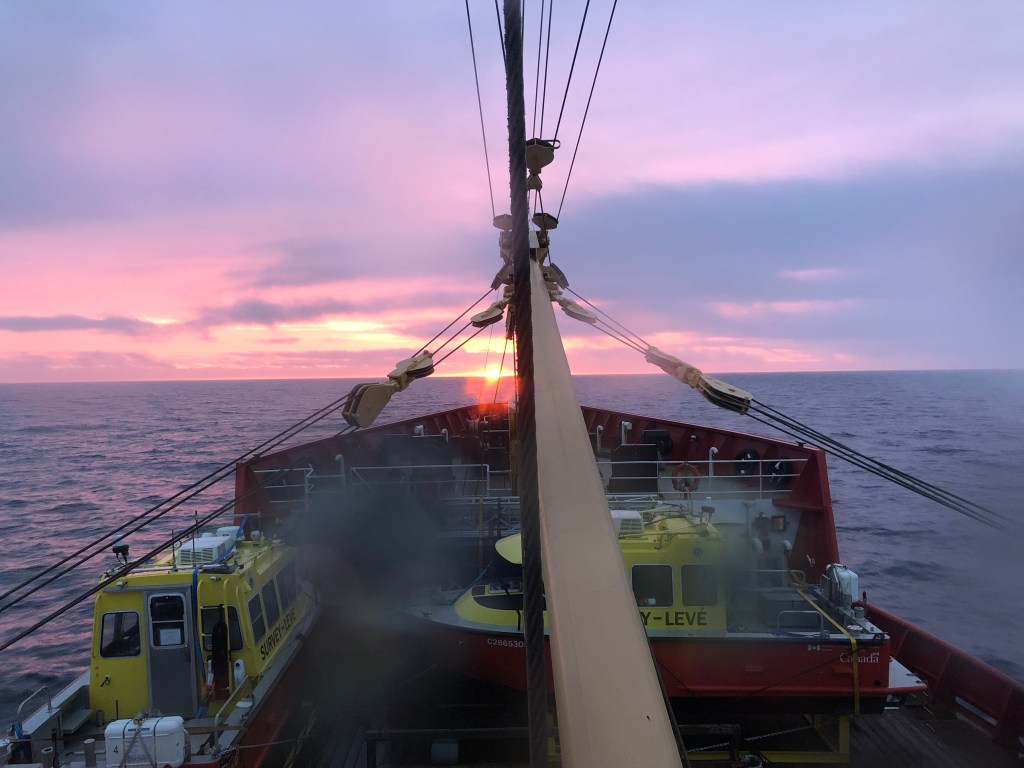
Welcome to the Arctic Lab @ American University! My research focuses on using sea ice biomarkers, fatty acids, stable isotopes, and DNA metabarcoding to better understand marine ecosystems in the Arctic and consequences of climate change. I also am exploring ways to advance ethical and equitable approaches to marine and environmental sciences through co-production of knowledge.
The Importance of Sea Ice for Arctic Marine Food Webs
The primary focus of my work is on the study of highly branched isoprenoids (HBIs), including the sea ice proxy IP25, within Arctic marine ecosystems. IP25 is an organic biomarker produced by certain diatoms living in sea ice. These compounds provide crucial insights into past sea ice conditions and, by extension, climatic shifts in the Arctic region. Through the analysis of sediment cores, sediment traps and sea ice samples, my work aims to reconstruct historical sea ice variability and understand its impact on the broader Arctic environment. This research is essential for predicting future changes in Arctic ice cover and assessing the potential consequences for global climate patterns.
Additionally, my research looks at HBIs in animal tissues, offering a new way to trace diet in Arctic marine food webs. By finding these markers in different organisms, from small invertebrates to large mammals, we show how important sea ice algae are as a food source. This analysis shows how Arctic marine life relies on sea ice ecosystems and how changes in ice cover can impact the food web, possibly affecting species distribution and ecosystem stability. This part of my work helps us understand ecological interactions and highlights the crucial role of sea ice in supporting Arctic biodiversity.
Video Credit:Images freely available on Open Planet, Production company: Silverback Films
To improve the accuracy of food web studies, we combine HBI measurements with fatty acids and stable isotope analysis. This method helps us better understand the feeding relationships in Arctic ecosystems. Stable isotopes of carbon and nitrogen trace nutrient flow from producers to top predators. When used alongside HBI data, this approach can identify the contributions of sea ice-associated production compared to open water phytoplankton. This thorough analysis not only reveals the current state of Arctic food webs but also helps predict how they might change due to shifting sea ice and global warming.
Furthermore, the use of compound-specific stable isotope analysis, particularly on museum archival samples, will enrich our understanding of historical shifts in primary production sources at the base of the Arctic food web. Analyzing these preserved samples allows us to track changes over time and assess how past sea ice conditions influenced the dietary patterns of marine species. This historical perspective is crucial for predicting future changes and preparing for their ecological impacts.
Opportunities in the Arctic & Marine Ecogeochemistry Lab
If you are an undergraduate wanting to gain some research experience, MS degree or our new, interdisciplinary PhD program, reach out and let’s chat!
Dr. Chelsea Koch
Assistant Professor
American University – Department of Environmental Science
4400 Massachusetts Ave NW
Washington, D.C. 20016
 Arctic Ecogeochemistry