Koch Marine Lab
American University –– Department of Environmental Science
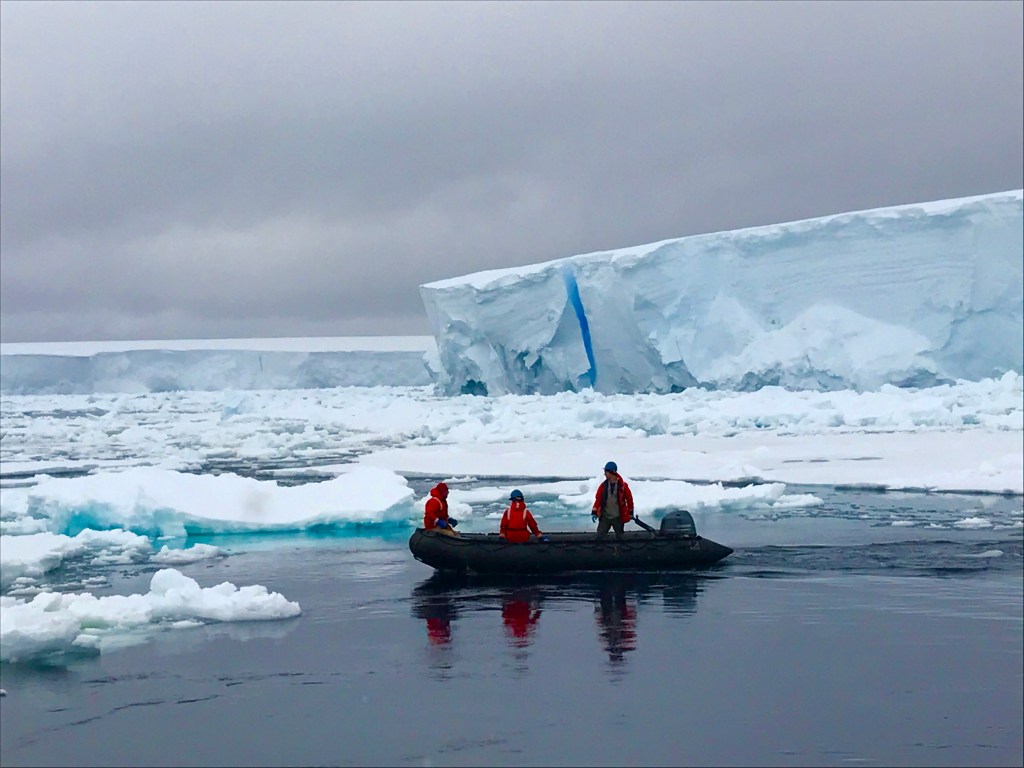
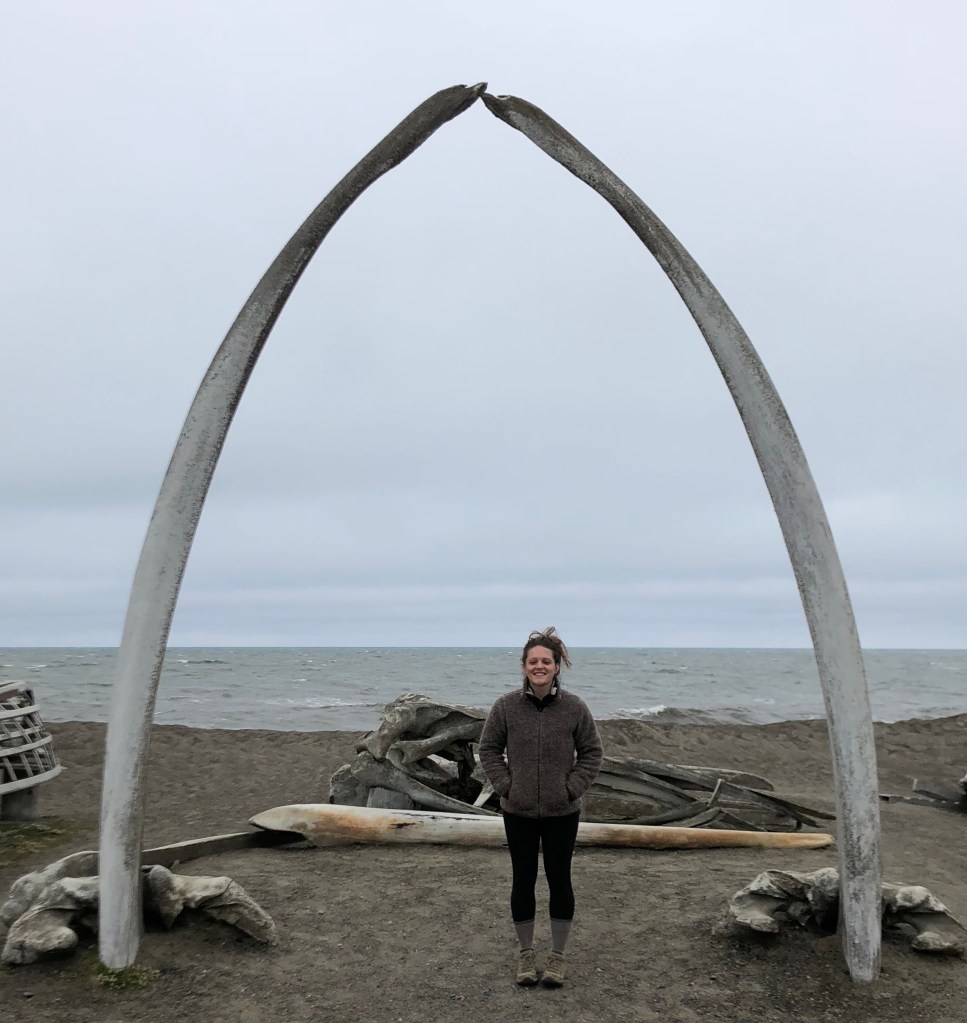
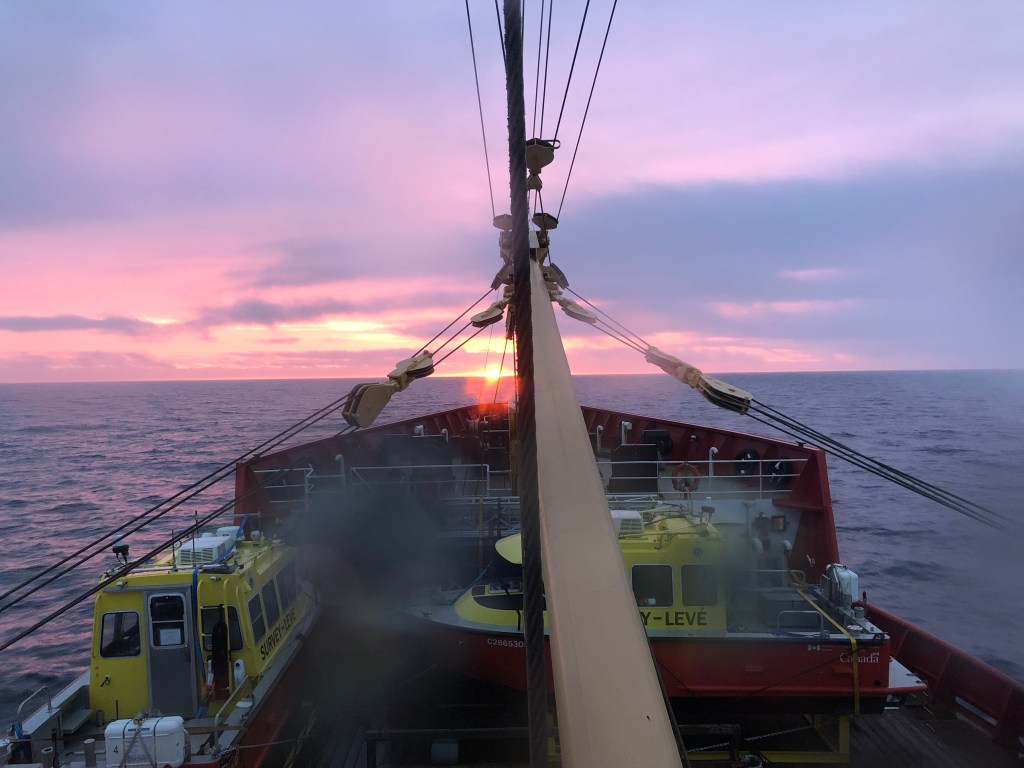
Our research focuses on using sea-ice biomarkers, fatty acids, compound specific stable isotopes, and DNA metabarcoding to better understand marine ecosystems in the Arctic and consequences of climate change.
Research Themes
Our lab investigates marine ecosystems and food web dynamics from the Arctic to the Chesapeake Bay, using advanced organic geochemistry techniques, ship- and shore-based field programs, and long-term, collaborative research with Indigenous community partners grounded in knowledge co-production and equity.
Shifting Arctic Marine Ecosystems
Using HBIs, fatty acids and CSIA-AA, we are exploring how declining sea ice, increasing marine heat waves, and oceanographic shifts are leading to trophic restructuring, increased access for apex predators and boreal species.
Chesapeake Bay Marine Ecology and Stressors
Using osprey and Tamanend’s bottlenose dolphins, we will explore how fishing pressures, climate change and contaminants are altering diet quality and availability, and influencing distribution and health.
Environmental Contaminants
Through the use of multiple workflows, we are using advanced capabilities in our Analytical Core to examine heavy metals, PFAS, and other Persistent Organic Pollutants (POPs) in the marine environment. We are developing methodologies using GC–MS, LC–MS, and ICP–MS
Opportunities in the Koch Marine Lab
If you are an undergraduate wanting to gain some research experience, MS degree or our new, interdisciplinary PhD program, reach out and let’s chat!
Dr. Chelsea Koch
Assistant Professor
American University – Department of Environmental Science
4400 Massachusetts Ave NW
Washington, D.C. 20016

